Plant Care Tips
How to Care for Indoor Plants in Sri Lanka: A Complete Guide
Sri Lanka's tropical climate is, in theory, ideal for houseplants — warm, humid, and green almost all year round. In practice, most of the indoor plant care advice you'll find online is written for temperate countries, where the challenges are dry heating in winter and short, weak daylight. None of that applies here. In a Colombo home or office, the real threats to a houseplant are air-conditioned dryness, intense equatorial sun through a window, monsoon humidity swings, and soil that stays too wet for too long. This guide covers what actually matters for keeping plants healthy in Sri Lankan conditions.
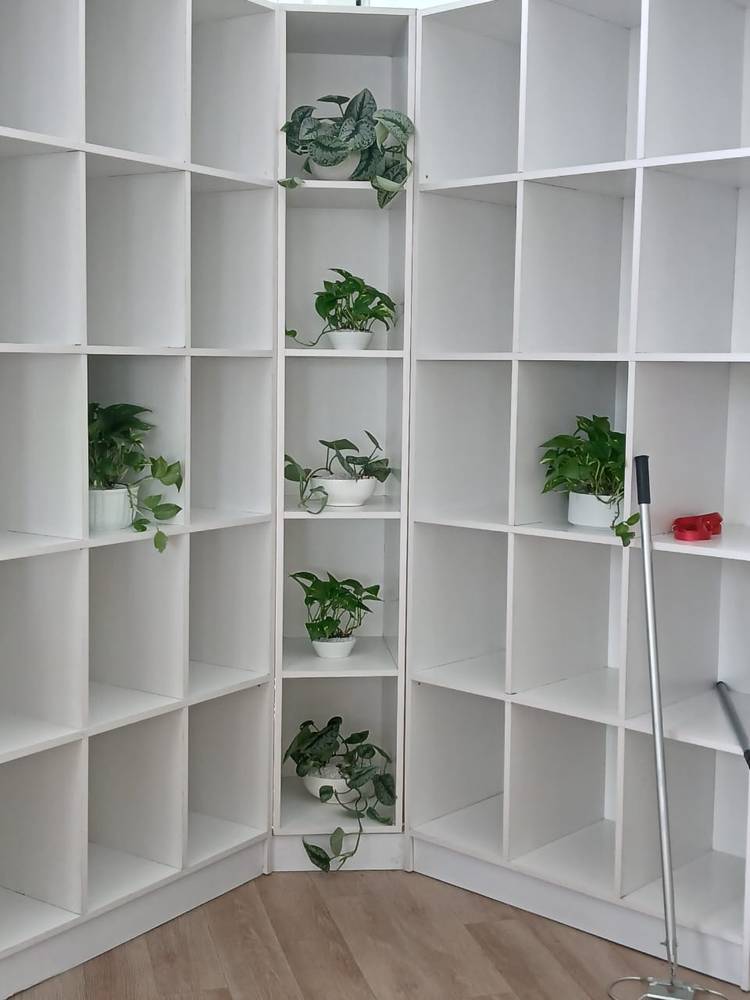
Watering: less often than you think
Sri Lanka's ambient humidity is high, so soil in an unconditioned room dries out more slowly than the "water twice a week" advice most plant tags give you. The bigger risk here isn't underwatering — it's root rot from soil that never gets the chance to dry out. Before watering, push a finger about 3-4cm into the soil. If it's still damp, wait. If your plant sits in an air-conditioned office, the AC pulls moisture from both the air and the soil, so those pots will need watering more often than an identical plant in a humid, non-AC room — check each spot individually rather than watering on a fixed schedule.
Light: protect from harsh midday sun
Most popular indoor plants (pothos, philodendrons, peace lilies, ZZ plants) evolved as forest-floor plants and want bright, indirect light — not direct sun. A west- or south-facing window in Colombo can deliver surprisingly intense, scorching direct light around midday, especially April to September. Sheer curtains, a spot 1-2 metres back from the glass, or an east-facing window with gentler morning sun all work well. Leaves that turn pale, bleached, or develop crispy brown patches are usually a sign of too much direct sun, not disease.
Soil and drainage: the single biggest factor
In a humid climate, drainage matters more than almost anything else. Standard garden soil holds too much water for a potted plant indoors and is the most common cause of root rot in Sri Lankan homes. Use a well-draining potting mix — a blend of coco peat, sand or perlite, and compost works well locally — and always use a pot with a drainage hole. If your decorative pot has no hole, keep the plant in its nursery pot with drainage and simply drop it inside the decorative one.
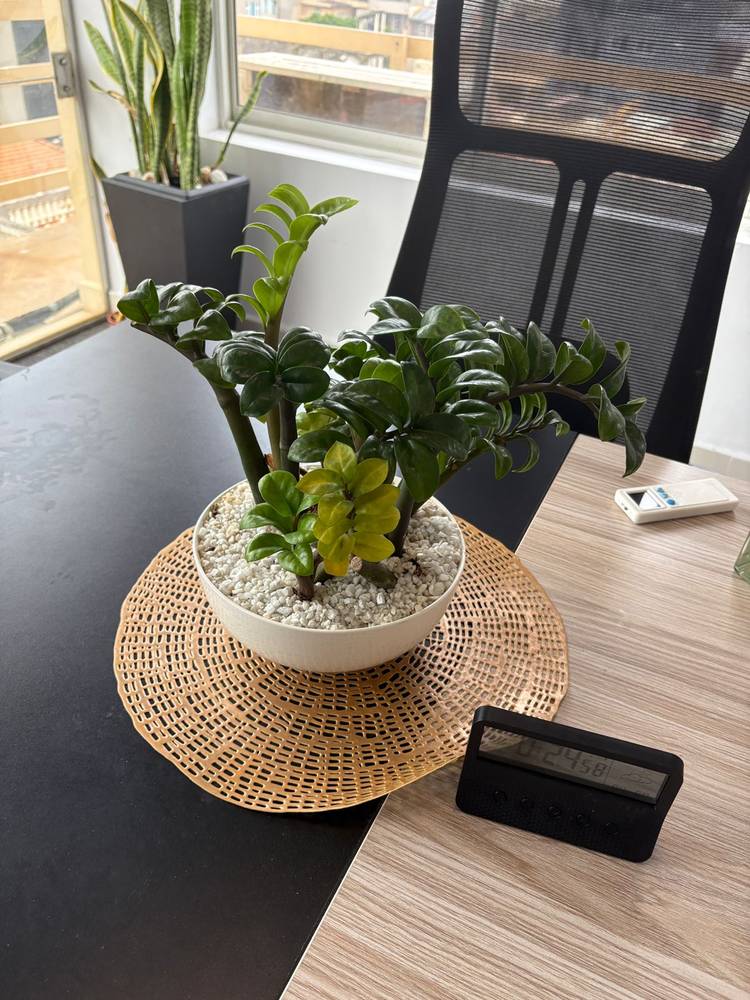
Humidity and airflow
Outdoor humidity in Sri Lanka is rarely the problem — indoor air conditioning is. AC systems strip moisture from the air, which is why plants in continuously air-conditioned offices often show crispy leaf tips even though "it's humid outside." Grouping plants together, standing pots on a shallow tray of pebbles and water, or a small humidifier near sensitive plants (like calatheas or ferns) all help offset AC dryness. At the same time, stagnant, still air in a closed room can encourage fungal issues on leaves — a bit of airflow, even just an occasional open window or a slow ceiling fan, keeps foliage healthier.
Fertilising: Sri Lanka doesn't have a dormant season
Care guides written for temperate climates tell you to stop feeding in winter. That advice doesn't apply here — Sri Lanka's consistent warmth means most houseplants keep growing, slowly, right through the year. A balanced liquid fertiliser at half strength every 4-6 weeks during the main growing months (roughly March to October) is enough for most indoor plants; ease off slightly during the wetter monsoon months when growth naturally slows a little.
Common pests in Sri Lankan conditions
Warm, humid indoor air is also comfortable for a handful of common pests — mealybugs, spider mites, and scale insects being the ones we see most often on office and home plants here. Check the undersides of leaves and where leaves meet stems every couple of weeks. Caught early, a wipe-down with diluted neem oil or insecticidal soap usually resolves it without needing anything stronger.
When it's easier to hand it over
Between checking soil moisture, adjusting for whichever room a plant sits in, watching for pests, and keeping up a fertilising schedule, plant care adds up — especially across an office with dozens of plants across different rooms and light conditions. This is exactly the gap Golden Leaves' plant rental service is built to close: we select plants suited to your specific space, and our team handles the health checks, pruning, pest screening and replacement cover, so your office stays consistently green without anyone in-house needing to become a plant expert.
Want it handled for you?
Every new Golden Leaves plant rental plan starts with a free first month.
See Plant Rental Plans →